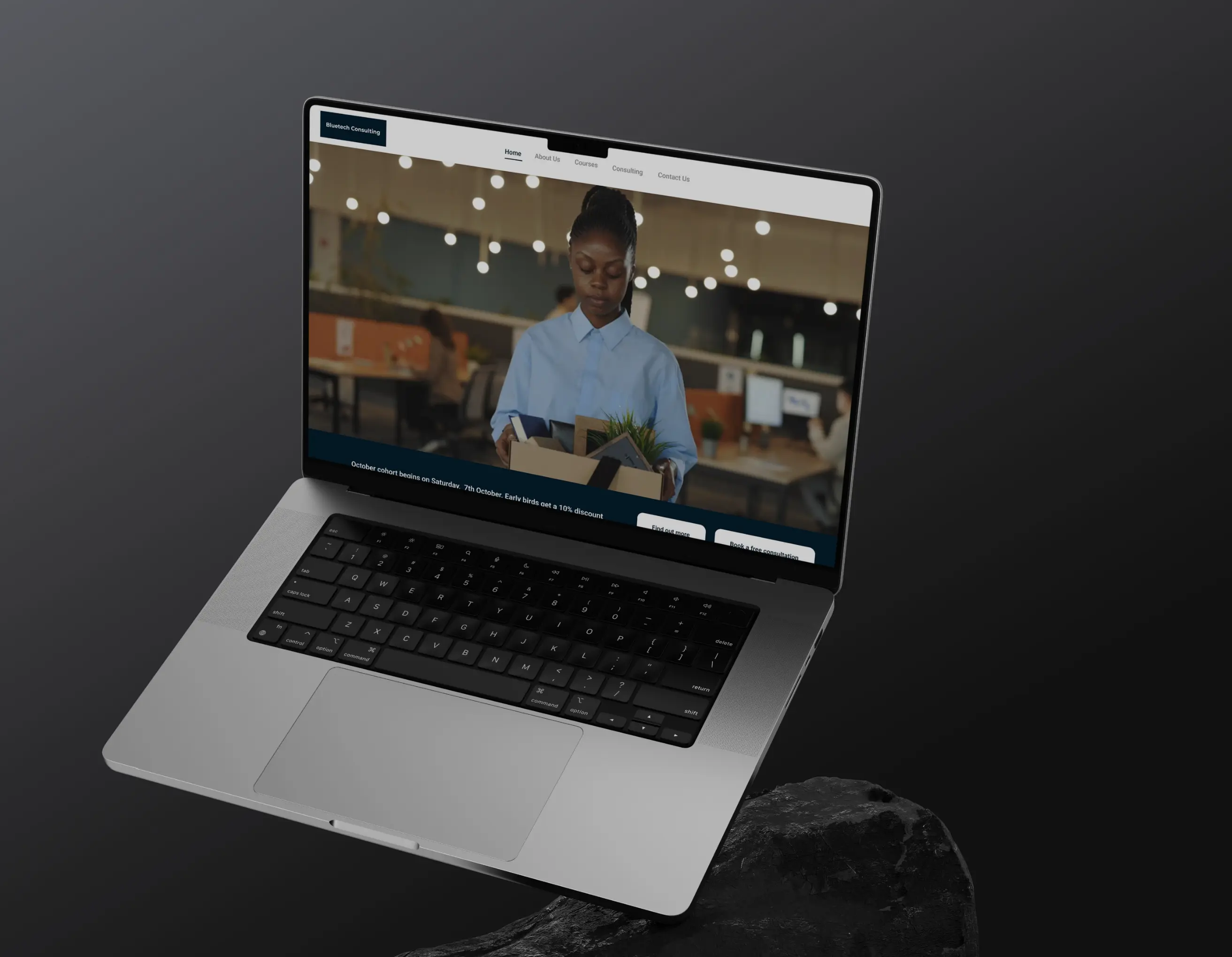
Training platform
Bluetech Consulting
A training and career-support platform, designed around course discovery and a visual identity in professional blue.
Read the case studyVisit product (bluetechconsulting.com, opens in a new tab)
Product modernisation
A product can be commercially alive and technically tired at the same time. The interface fights the user. Releases are fragile. New work takes longer every quarter.
A full rewrite is often proposed before anyone has named the actual constraint. That gamble stops feature delivery for months and still has to relearn the old edge cases.
Modernisation at Phigz starts with the path users depend on. We improve the interface, the structure behind it, or the way the team ships, in an order the business can tolerate.
Where the product is slow to change, where the interface fails, and which risks are real.
A sequence of releases that improve a journey while the current product stays available.
A new screen is not laid over an API that cannot support it. Structural change is justified by a user path.
Clearer environments, review and release habits so the next change is cheaper than the last.
The business cannot pause it. Improvements have to land while the current version keeps running.
The logic is sound enough. The screens, states and mobile behaviour are what people struggle with.
We create a safer slice: tests around the behaviour that matters, then change behind that.
01
We use it, read the code that serves the main journey, and talk to the people who support it.
02
One journey, one structural problem, or one release bottleneck. Not all three at full depth.
03
Each stage is releasable. Users meet the improvement before the programme is “finished”.
04
Your team can see what changed, how to extend it, and what we deliberately did not rewrite.
Older interfaces can move toward React and Next.js where that is justified. We do not migrate a framework for its own sake.
Laravel, PHP and Node.js systems can be improved in place. A rewrite is a decision, and it needs a reason.
Once the product’s data and permissions are understandable, an AI feature can be added without replacing the platform. That is a separate decision from the modernisation itself.
Published case studies are product builds. Where a page is about AI, these projects show how Phigz ships a complete product. They are not labelled as AI systems.
Training platform
A training and career-support platform, designed around course discovery and a visual identity in professional blue.
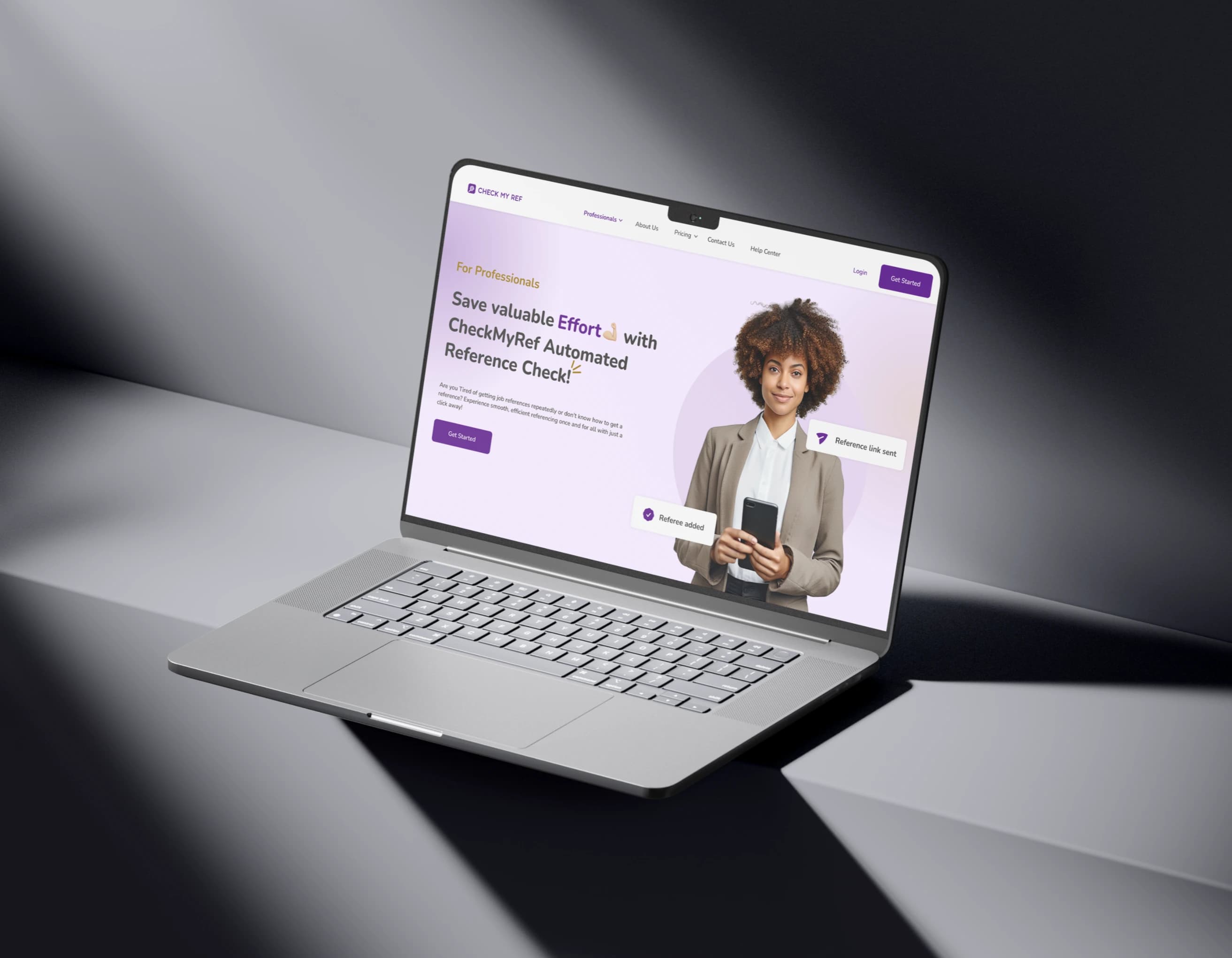
Product design and platform
A platform for storing, managing and reusing employment references, with a brand built around clarity and trust.
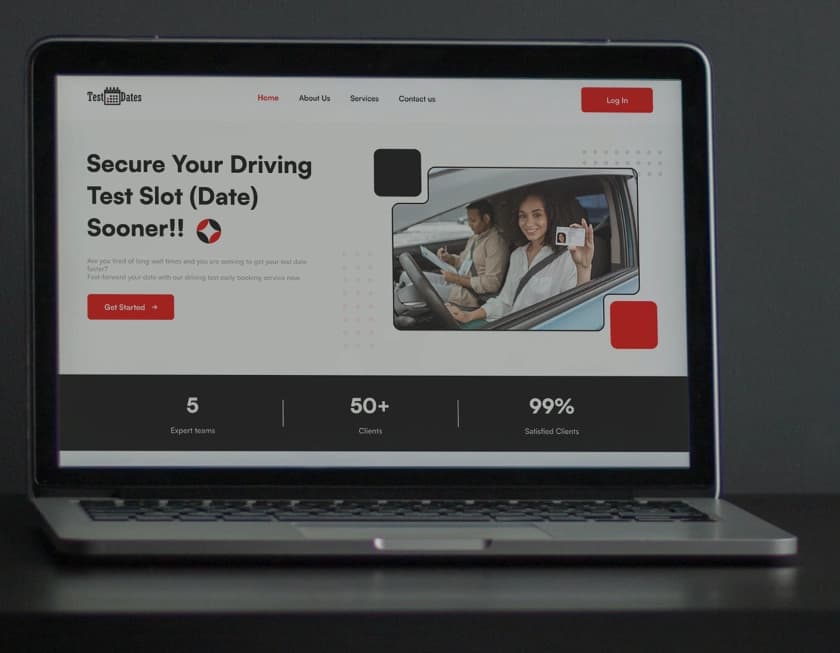
Booking product
A booking product for learner drivers looking for earlier DVSA test dates, with availability monitoring and a mobile-first interface.
No. We recommend a rewrite only when the current structure cannot support the journey you need. Most engagements start with a narrower upgrade.
Yes. Modernisation happens in the codebase you already have, with review your team can follow.
The point of a staged upgrade is that the current product keeps serving users. Any unavoidable interruption is scoped before we start.
Next step
Tell us the product, the current state, and the outcome you need. We will reply with a straight view of whether this is the right shape of work.